Renovation Projects Leave Behind a Lot
Kitchen renovation, bathroom gut, basement finishing, deck rebuild, whole-house flooring replacement — residential renovation projects in Charlottesville and Albemarle County generate significant debris volumes that neither standard trash pickup nor homeowner vehicles can handle. The two standard options are dumpster rental or junk removal. For most residential renovation debris situations in Charlottesville, junk removal is the better value.
Here is why: a single junk removal load ($249–$499) covers the typical residential renovation debris volume without weight overage fees, without street permit requirements, without loading labor on your part, and without a container sitting in your driveway or yard for a week. We arrive, load, and leave. The space is clear the same day.
Construction Debris We Remove in Charlottesville
- Drywall (gypsum board) — Pulled and demolished drywall in any quantity. We separate clean (unpainted) drywall for recycling where facilities are available in the Charlottesville area.
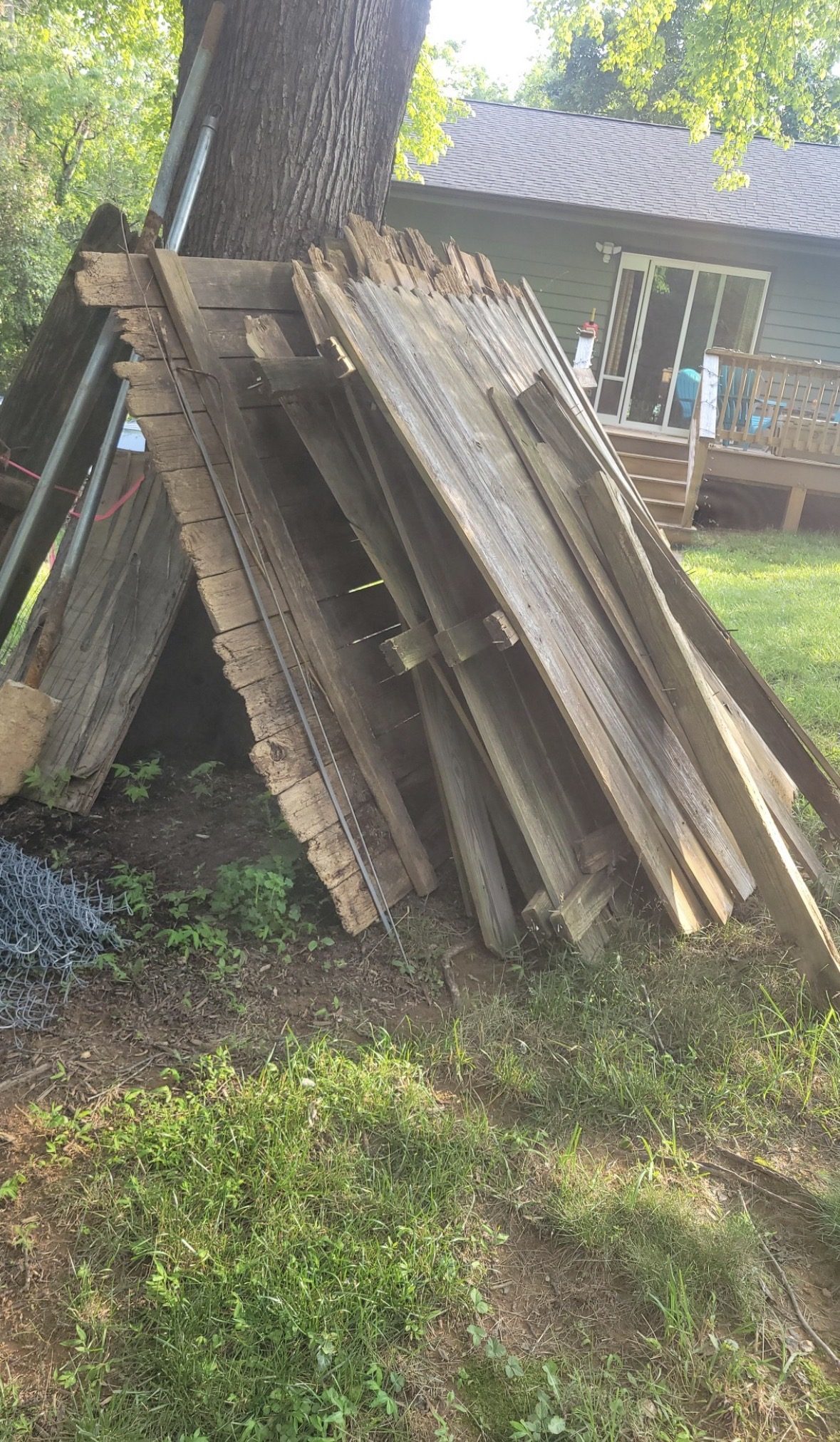
- Lumber — Dimensional lumber from framing demolition, furring strips, engineered lumber components. Usable lengths may be donated to Habitat ReStore on Avon Street before disposal.
- Flooring — Vinyl plank, hardwood, carpet and pad, tile — all removed and hauled. Carpet and pad cannot be donated; hardwood in good lengths can sometimes go to ReStore.
- Tile and thinset — Heavy material that quickly fills trucks. We price tile demolition debris at standard load pricing; tile adds significantly to weight but is standard disposal material.
- Cabinets and fixtures — Kitchen and bathroom cabinets, bathroom fixtures, lighting fixtures. Cabinets in good condition are frequently donated to Habitat ReStore, where they sell well.
- Windows and doors — Replaced windows and doors, especially older single-pane units. Intact units in serviceable condition may be donated.
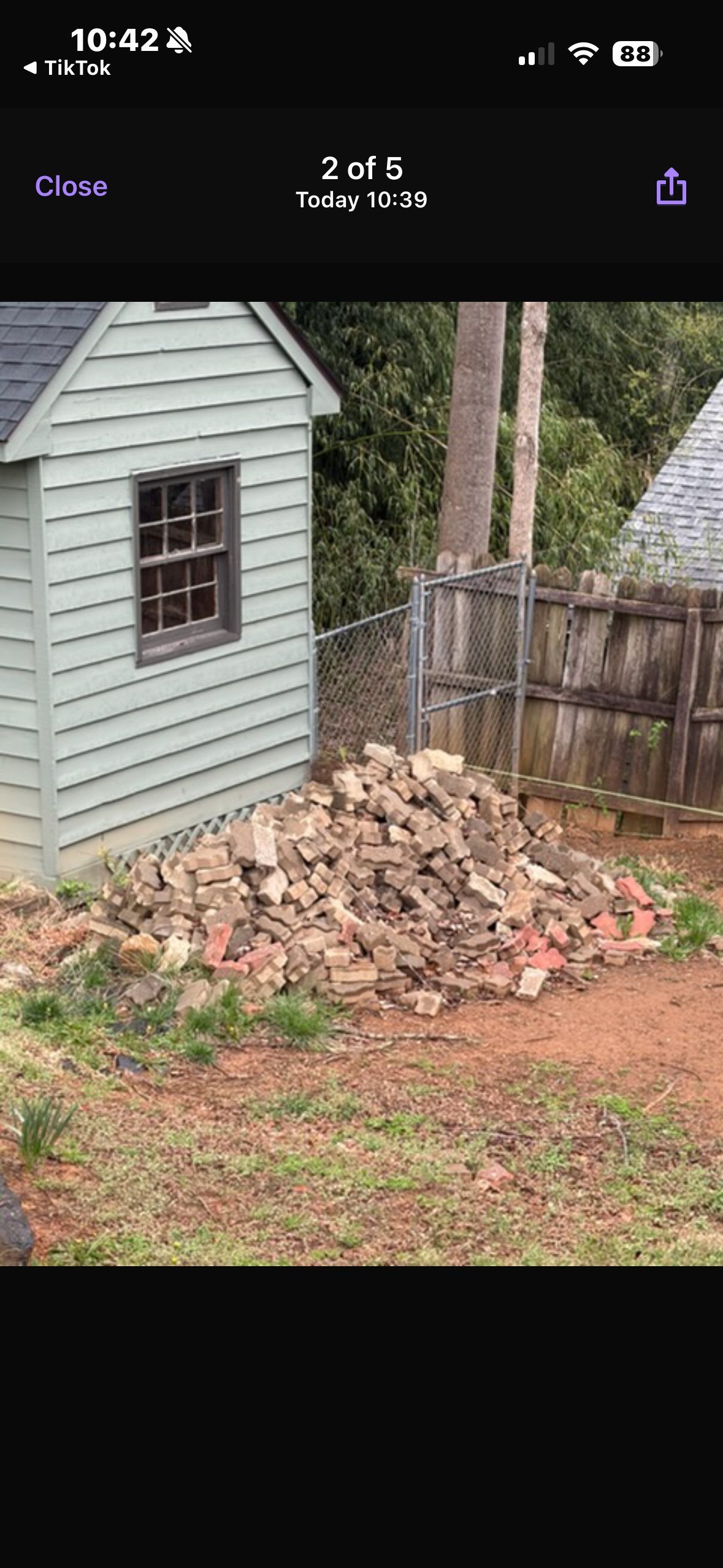
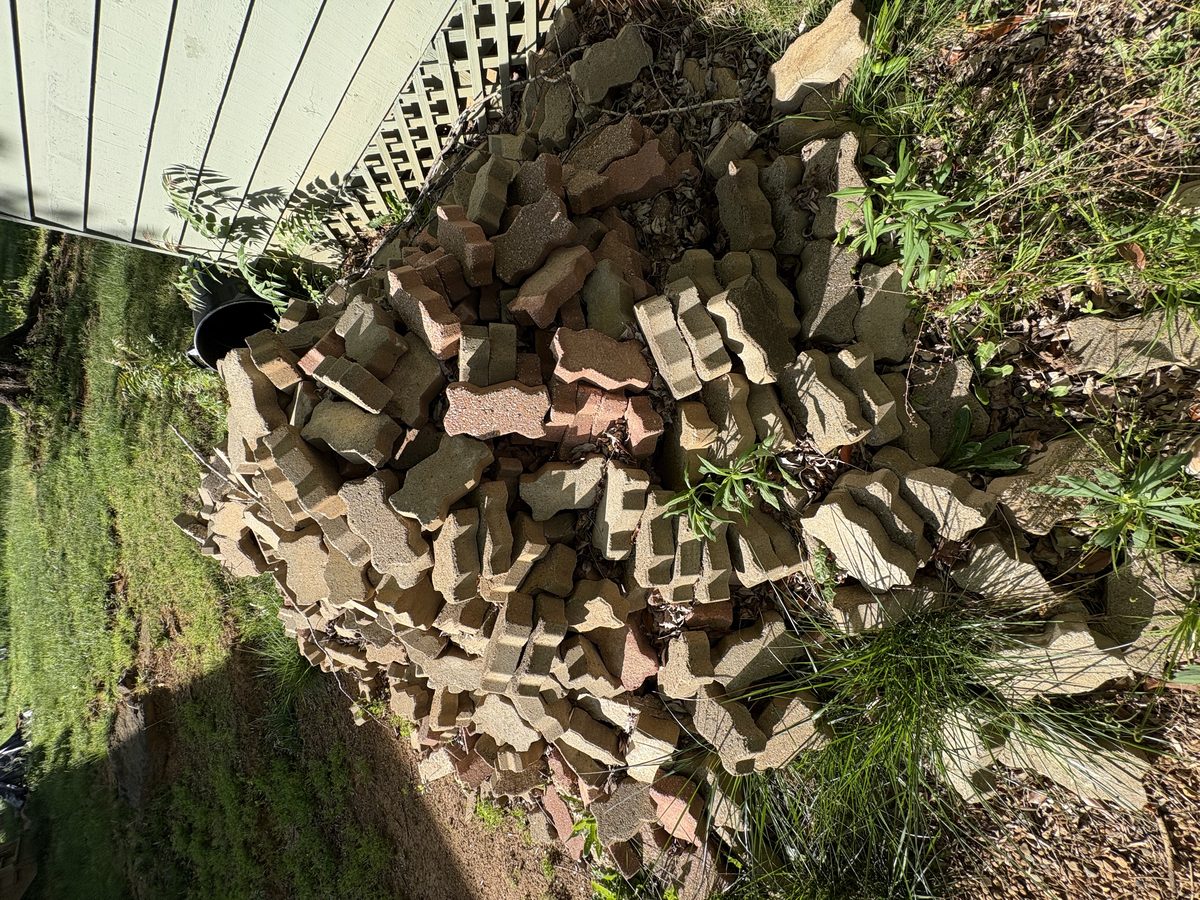
- Concrete block, brick, pavers — Heavy and requiring appropriate load pricing; call for specific concrete/masonry volumes as these affect load assessment
- Metal ductwork, pipes, fixtures — All separated for metal recycling
Construction Debris Removal Costs in Charlottesville
| Renovation Scope | Typical Volume | Cost Range |
|---|---|---|
| Single room (bathroom or small kitchen) | Quarter to half load | $249–$329 |
| Full kitchen renovation debris | Half to full load | $329–$499 |
| Full bathroom renovation debris | Quarter to half load | $249–$329 |
| Basement finishing demo debris | Half to full load | $329–$499 |
| Full floor replacement (whole house) | Full truck | $499 |
| Multi-room renovation (staged) | Multiple loads | $499/load |
Important note on concrete, tile, and masonry: These materials are significantly heavier per volume than wood and drywall. A quarter-truck of concrete debris weighs as much as a full truck of mixed construction materials. Call 434-230-4551 and describe the specific materials before scheduling; we will give you an accurate assessment and may recommend a different truck type for very heavy loads.
What Actually Gets Recycled from Charlottesville Renovation Debris
Responsible construction debris disposal in Charlottesville involves meaningful material diversion:
- Metal: All steel, aluminum, copper, and other metals separated and sent to scrap metal facilities — essentially 100% recycled
- Clean lumber: Usable dimensional lumber lengths donated to Habitat ReStore or scrap wood facilities
- Cabinets and doors: Intact units in serviceable condition donated to Habitat ReStore — they sell consistently well and directly fund homebuilding
- Clean drywall: Unpainted gypsum board can be processed at certain facilities; availability varies in the Charlottesville market
- Concrete and masonry: These are sometimes accepted at aggregate recycling facilities for road base use
The Charlottesville area does not have robust construction debris recycling infrastructure compared to larger metropolitan areas, but the metal and usable material diversion is consistent and meaningful on every job.
When to Schedule — Renovation Timing in Charlottesville
The most efficient approach for renovation debris removal in Charlottesville: schedule the cleanout immediately after each major phase of demolition, rather than accumulating debris through the entire project. A single cleanout after demo is clean, fast, and gives your crew a clear workspace for the build phase. Multiple small pickups during an ongoing project cost more than one appropriately sized cleanout after demo is complete.
For staging purposes: pile debris in the room being renovated or in an accessible ground-floor area. We carry from wherever it is, but staging in an accessible location speeds the job and keeps your cost at the lower end of the range.
Before your renovation debris gets hauled, pull out any materials in good condition that the ReStore accepts: intact cabinets, light fixtures, doors, windows, usable lumber, tile (in quantity), electrical fixtures, and plumbing hardware. The ReStore at 1600 Avon Street Extended accepts these items and resells them at reduced prices — the revenue funds Habitat homebuilding in Charlottesville. Donating directly saves disposal fees for those specific items and supports the community directly.